


It's official! Our brand new Paleo Lab is open to the public. Come visit this beautiful new space located inside the Eco Eatery. It includes fossil specimens, a dig pit, large foam dino puzzles, and the opportunity to see our paleontology crew work on articulating and constructing our hadrosaur skeleton! Open daily!
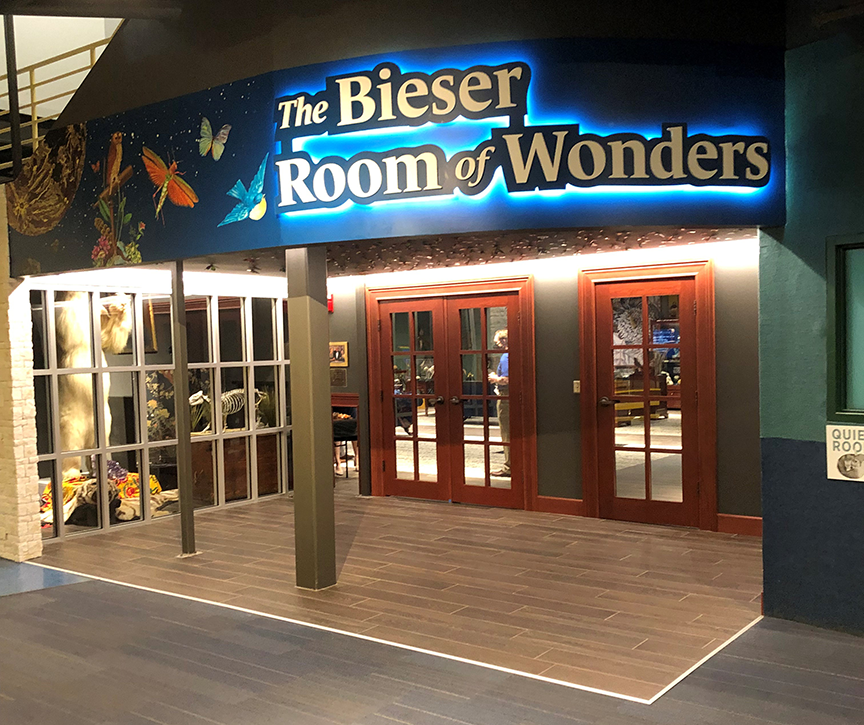
Bieser Room of Wonders
A complete transformation of the Bieser Discovery Center has been completed on the first floor of the museum. The final step in a multi-year project to better display more artifacts from our 1.8 million object collection. Come and see what we have to offer!
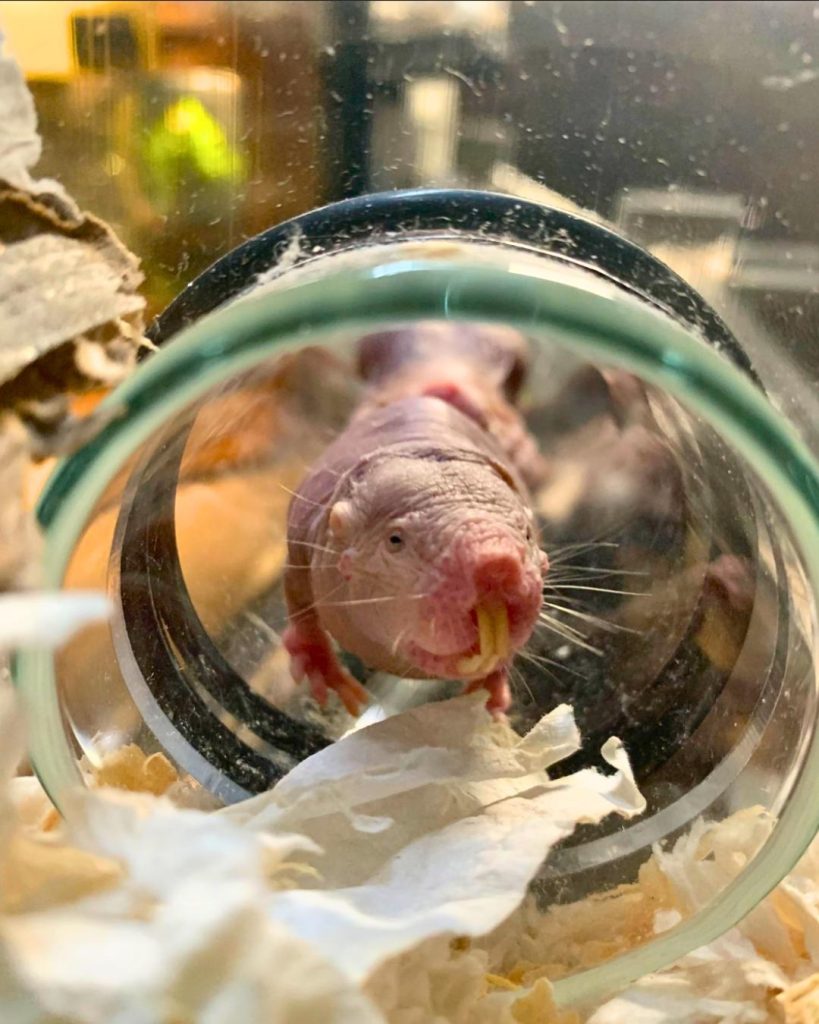
The Mole-rats are Here!
We are so excited to announce the unveiling of our newest addition to the Discovery Zoo, a naked mole-rat colony! With the help of folks from AV Glass, GlassWorks, Front Street Art Studio, Dayton Digital Woodworking, and artist Rusty Hardin, we have a fantastic new exhibit for guests to enjoy!
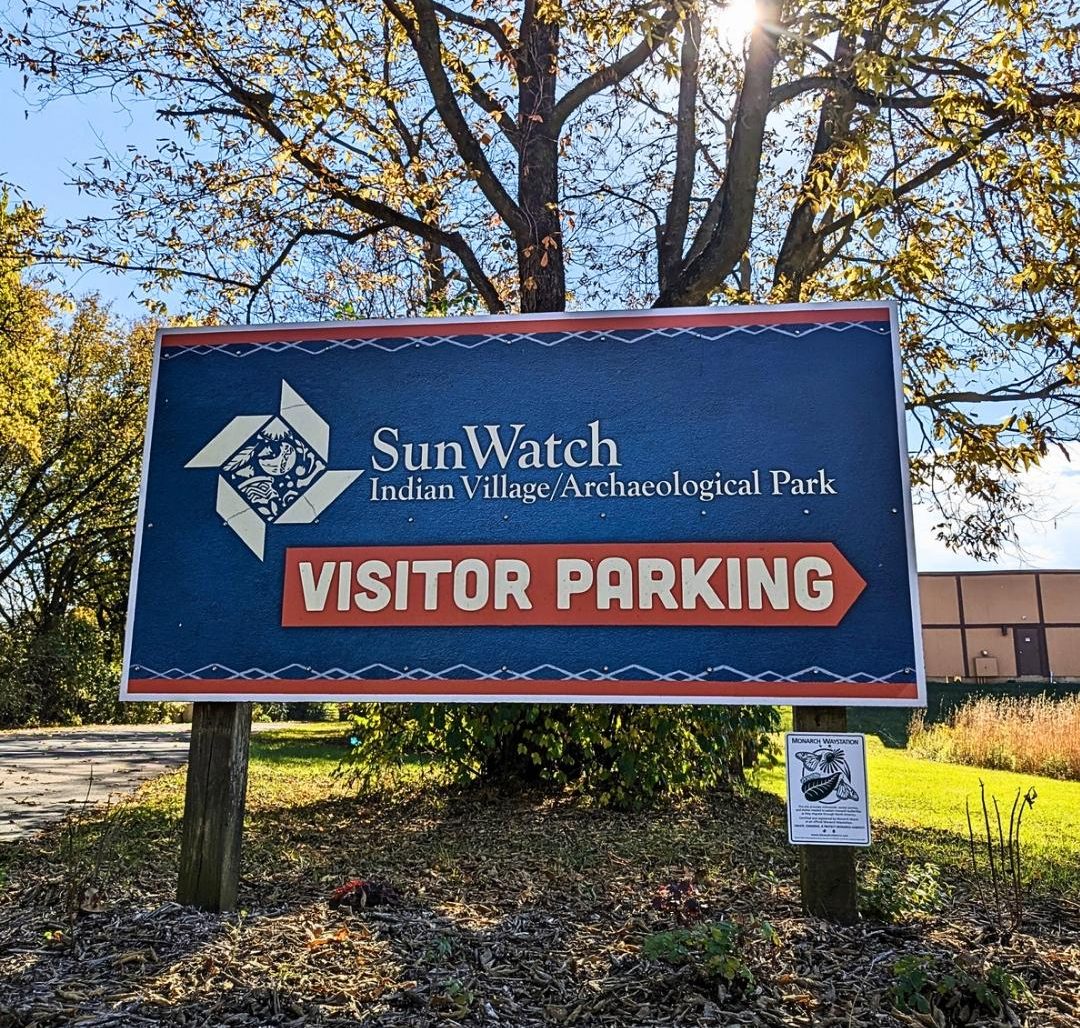
Upgrades at SunWatch
We won the National Endowment for the Humanities (NEH) Grant to help with a multi-year project that has begun the construction phase in 2022. Through a matching grant for capital improvements by the National Endowment for the Humanities, we are making some much needed updates to the SunWatch Interpretive Center!

It takes a village - and every little bit helps!
Every dollar we receive will go toward our NEH Matching Grant that will help us make SunWatch more accessible. This will allow us to engage and inspire even more families in our community by providing high-quality, interactive educational opportunities that enrich the lives of children and adults.