


Home : Plan Your Visit : Floor Plan
Discovery Zoo

This area highlights the amazing variety of wild animals in Ohio. This AZA accredited-zoo is home for nearly one hundred animals including a bobca

This area highlights the amazing variety of wild animals in Ohio. This AZA accredited-zoo is home for nearly one hundred animals including a bobcat, coyote and river otters.


Zoo on the Move

Zoo on the Move

The Boonshoft's live animal zoo is under renovation and will re-open in the summer of 2010. During this time, several animals are still available in our new temporary zoo. The Tidal Pool and the Bieser Discovery Center live animals remain available for exploration as usual. Additionally, live animal chats will continue to take place, giving an opportunity for up-close learning.


Overview of the Live Animal Department

The Boonshoft Museum of Discovery’s Live Animal collection consists of over one hundred animals and insects located in several areas of the Museum.

The Discovery Zoo at the Boonshoft Museum

Why do animals look the way they do? From a skunk’s stripe to a kinkajou’s prehensile tail, learn why each creature has its own special shapes, colors and adaptations. This new exhibit displays a variety of animals and habitats from Ohio and beyond. The Discovery Zoo explores the function behind the form. Whether an animal is strikingly beautiful or has an appearance only a mother could love, visitors will learn how an animal’s appearance, shape and size have been formed over time to help them survive in their natural habitat.

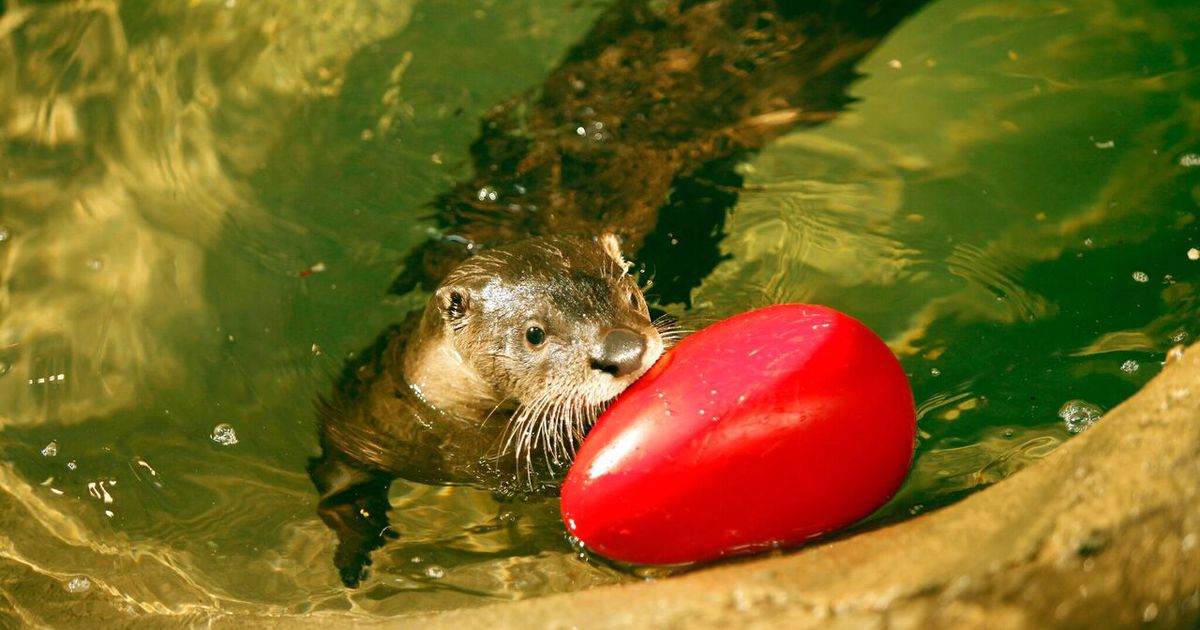
Shiloh and Sushi, the Museum’s river otters, are the hands-down favorite animals for visitors as well as staff. Native to Ohio, both of our otters were injured in the wild and after rehabilitation came to live at the Boonshoft Museum of Discovery. Both otters are young and spend lots of time playing with each other and interacting with Museum visitors through their display windows.

Many of the animals in The Discovery Zoo have been injured in the wild and would be unable to survive on their own. The live animal and education departments regularly present programs featuring our live animal ambassadors.

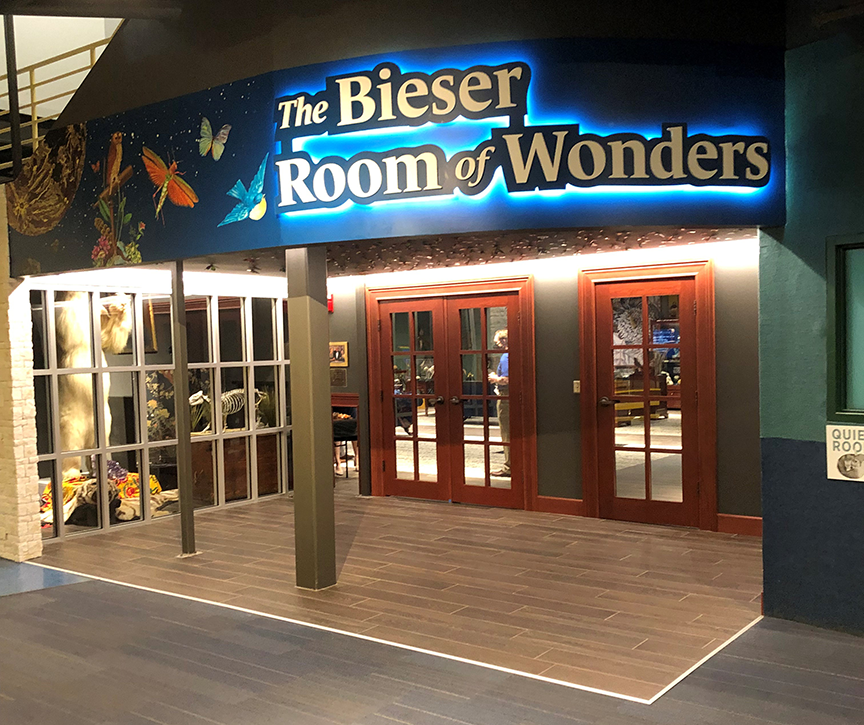
Bieser Discovery Center

Bieser Discovery Center has a variety of animals that are often considered “scary,” but are actually fascinating creatures. Featured exhibits in the Center include Madagascar hissing cockroaches, rose-haired tarantulas and a 16 feet long Burmese python named Rajeev. Rajeev is still growing and cold reach an ultimate length of over 20 feet! Burmese pythons are one of the few snake species that remain with their eggs during the incubation process. During this time the female coils on top of her eggs and shivers to produce body heat thus keeping the eggs warm. If you haven’t met Rajeev, stop by the Bieser Discovery Center the next time you visit the Museum.

Tidal Pool

The Tide Comes In: Powerful waves pound the rocky shore. Some animals that live on the rocks have adapted with stronger shells that the waves can’t destroy. Some have ways of anchoring themselves firmly to rocks so they are not washed away. Some animals live between or under rocks. Some even attach themselves to rocks and can grow to fit snugly in rocky recesses

  • The Tide Comes In: Powerful waves pound the rocky shore. Some animals that live on the rocks have adapted with stronger shells that the waves can’t destroy. Some have ways of anchoring themselves firmly to rocks so they are not washed away. Some animals live between or under rocks. Some even attach themselves to rocks and can grow to fit snugly in rocky recesses.
     
  • • The Tide Goes Out: At low tide, animals protect themselves too. Mussels and barnacles close their outer skeletons and sea anemones pull in their tentacles.


Sponsor an animal

The Live Animal Department has several opportunities for you to support the care of the animals at the Museum. Food, enrichment treats and activities, cleaning supplies, bedding and other miscellaneous items all add up. Did you know that it costs $14.00/day to feed the mammals? Every meal that Rajeev the python eats costs the Department $15.20. Another $15.00 is spent each week on minnows and worms and $33.00 on produce.


FAQs

Q. Does the Museum accept injured and orphaned wild animals?

A.
Unfortunately rehabilitating injured and orphaned wildlife is not a service we are able to provide. We do not have the necessary staff, resources or space needed to provide rehabilitation. Feel free to call us though and we can direct you to the nearest wildlife rehabilitator

Q. Does the Museum’s live animal department accept pets into the collection?

A.
We receive many calls throughout the year from folks who are looking for a new home for a pet that they can no longer care for. Unfortunately we usually cannot accept these animals for a variety of reasons. We may be able to help you find an agency that can help with unwanted pets though.

Q. How many animals does the museum have?

A.
It varies year to year, but we generally have just over one hundred animals. This includes not only the mammals, birds and reptiles, but also all the fish and invertebrates.

Q. How can I become a zookeeper?

A.
School is where it all starts. Almost all zoos require college degrees for entry level animal care positions and we are no exception. Our advice is to volunteer as a teenager at a zoo or museum and to pursue a college degree in biology, zoology or a similar degree.

Q. What is your largest animal?

A.
At the Museum our largest animal by far is Rajeev, the Burmese Python. Weighing in at 155 pounds and almost 16 feet long, he is significantly larger than our runner-up Madison the bobcat. Rajeev is still growing and could reach a length of up to 22 feet!

Q. What does it mean to be AZA accredited?

A.
AZA stands for the Association of Zoos and Aquariums. The AZA strives to promote the highest possible standards in all areas of the zoological profession. To become an accredited member of AZA requires a very detailed application and inspection process that looks at all aspects of your institution including animal care, education, staff professionalism, veterinary care and much more. There are currently about 200 AZA accredited institutions.

Q. How can I help the animals at the Boonshoft Museum of Discovery?

A. Teens over 14 years of age and adults are always welcome to volunteer. In addition an animal Wish List can be found below. Donations are always welcome.

Link to staff

This e-mail address is being protected from spambots. You need JavaScript enabled to view it

Wish List

Gift Certificates:

Meijer, Kroger, Pet stores (Super Petz preferred), Home Depot/Lowe’s

Food & Miscellaneous supplies:

Striped Sunflower Seeds, Mixed Wild Bird Seed, Spoon Size shredded Wheat, minute rice, gallon , quart and sandwich size zip lock baggies, Aluminum foil, New and used pillow cases, New hand towels, New Bath towels

Cleaning & Maintenance Supplies:

Brooms, Large Dust pans, Bleach, Laundry Detergent, Dish Soap (Not for washing machine), Antibacterial hand soap, Hand sanitizer, Power Strips

Pet Supplies:

Aquarium nets, Water bottles (hamster size), Alfalfa and timothy hay, Animal carriers – dog and cat sizes, Repti-Sun 5.0 18” fluorescent lights, Aqua-terrium animal containers, Fish food flakes,

Accreditation

The Boonshoft Museum of Discovery is an Association of Zoos and Aquariums (AZA) accredited institution. Every five years we must go through a lengthy application, self-evaluation and peer review process to maintain our accreditation. AZA accreditation is a stamp of approval that the animals in our collection receive the highest level of care.

Link to other relevant sites

Association of Zoos & Aquariums: http://www.aza.org/
American Association of Zoo Keepers: http://www.aazk.org/


Banner
Banner
Banner
What is your favorite activity in the new traveling exhibit"How People Make Things"?