

|
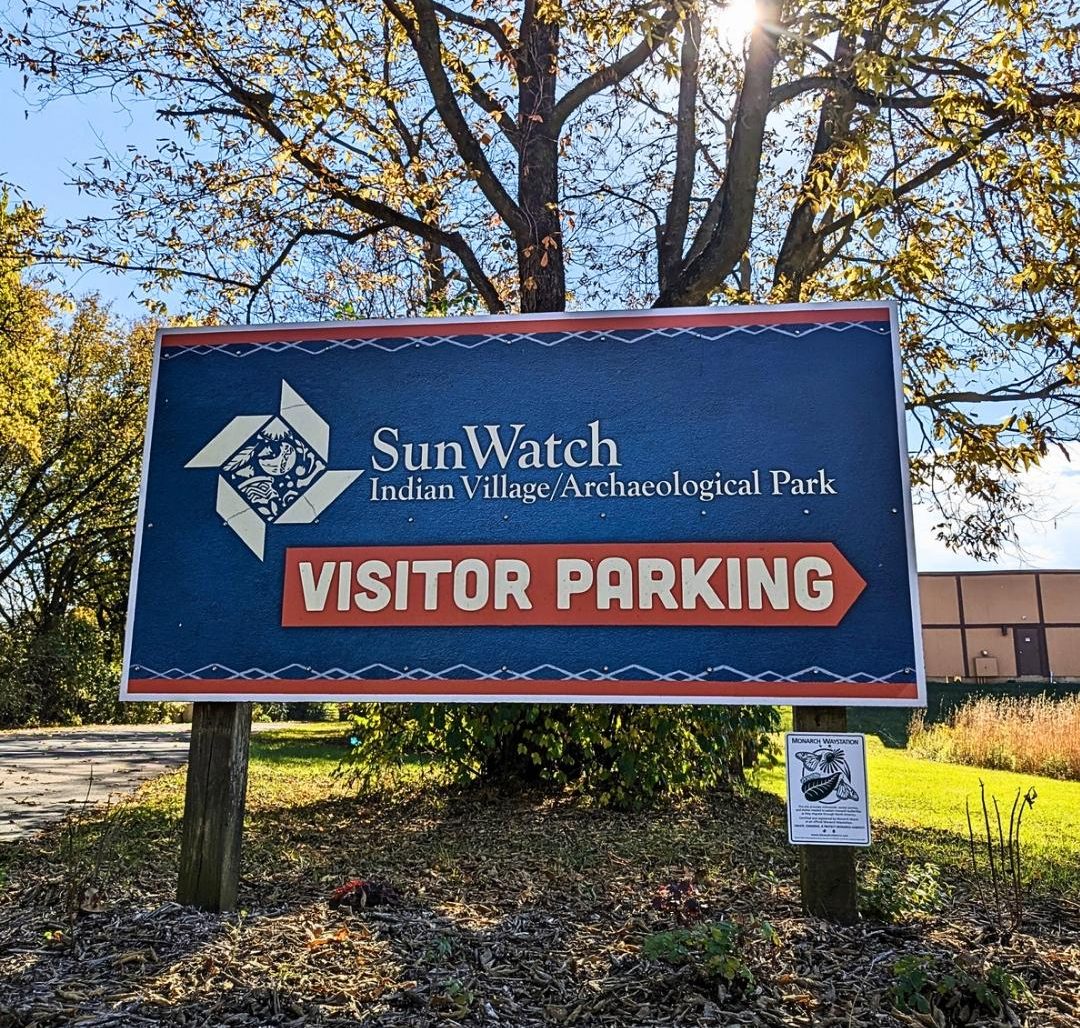
The majority of the collection consists of materials excavated during decades of archaeological research in the Miami Valley, including many items from the SunWatch site.
Overview of collections
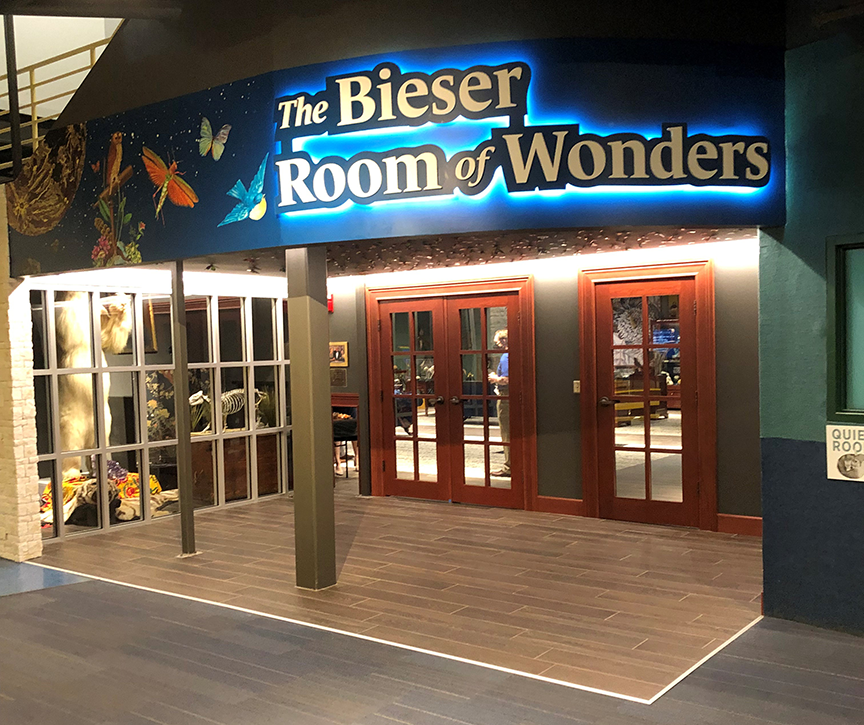
The Dayton Society of Natural History curates approximate 1.8 million objects and specimens across several disciplines. The Anthropology Collection is our largest (1.4 million items) and is dominated by archaeological specimens, including those excavated from SunWatch Indian Village/Archaeological Park. The Biology Collection (280,000 specimens) includes many insects as well as a wide variety of plants and animals. Our Geology Collection (15,000 specimens) has many rocks, minerals, and fossils. Our Astronomy Collection consists of several dozen meteorites and our Live Animal Collection includes over one hundred native animals, ranging from otters to lizards. Our collections are primarily comprised of natural and cultural specimens from the Miami Valley, but also include comparative specimens from around the world.
Highlights of our collections
Each of our collections has diverse and interesting holdings, but we have many objects and specimens that we take exceptional pride in curating. An item or group of items may be a highlight of our collections due to its uniqueness, age, appearance, or scientific value.
Our Astronomy Collection includes a piece of the “Dayton Meteorite,” one of the most unusual and famous meteorites ever found. This meteorite contains two minerals that have never been found anywhere else in our solar system. The Collection also includes a replica of Galileo’s telescope, one of only four in the world modeled directly from the original.
Highlights of the Anthropology collection include the extensive SunWatch archaeological collection, historic and modern Native American items from many parts of the United States, and large collections from Ancient Egypt (including a human mummy), Japan, the Philippines, Oceania, and China.
In our Biology Collection, we curate a number of specimens from species that are now endangered or extinct, though they were not at the time of collection. These include Ivory-billed Woodpeckers, a Carolina Parakeet egg, and two Passenger Pigeons. We have a number of insect type specimens, the John W. VanCleve herbarium collection from the late 1800s, and a comprehensive bird collection also dating back into the 1800s.
Our Geology Collection includes specimens of Pleistocene (Ice Age) mammals excavated locally by DSNH, the second largest trilobite ever found, and many other fossils. We also curate a large mineral collection with many beautiful and unusual specimens.
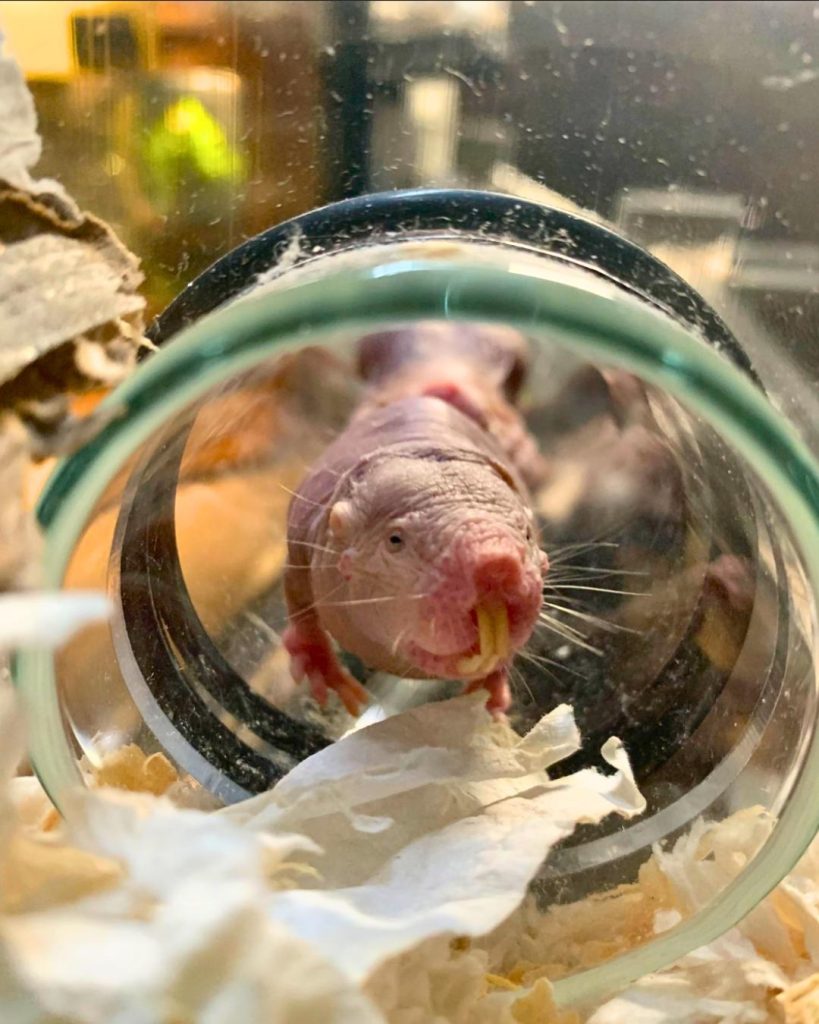
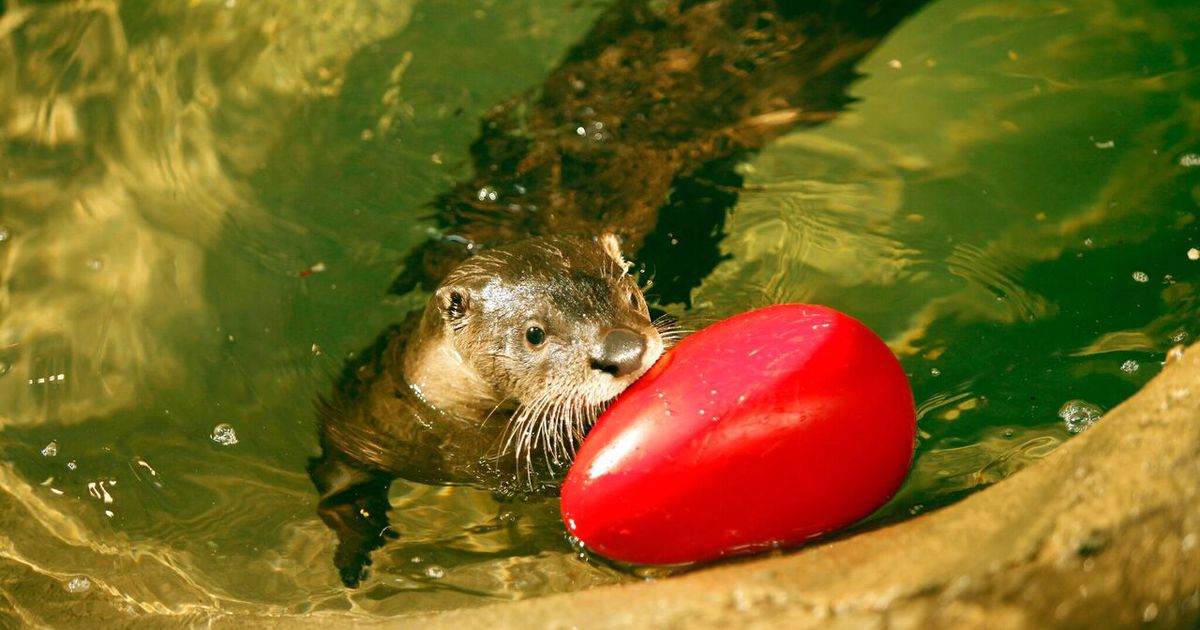
Our Live Animal Collection has over 100 animals, most of which are species that are or were native to Ohio. Of our locally native animals, our bobcat, red-tailed hawks, and otters are some of the most well-known residents of our museum. We have a smaller number of exotic species in our care, some of whom are on display in the Bieser Discovery Center such as our sixteen foot long Burmese Python and an Emerald Tree Boa.
Why do we have collections?
The concept of public museums as we now regard them began in the 1700s, emerging from a long tradition of private museums reserved only for the wealthy. The content, however, was largely similar in that museums and private collections existed as “cabinets of curiosities” where the unusual or strange were valued. Our own museum collections began in much the same way in that citizens were inspired to find a place to house and share their personal collections of the odd and unusual. The Dayton Society of Natural History cares for items that were collected by many Miami Valley citizens over a long period of time. Some items have been in our care for over 100 years already and yet we are a relatively young museum. Some Daytonians might remember when the Museum was a part of the Dayton Public Library!
Today, museums house collections for the purposes of research, education, and exhibition and exist as a physical record of a community’s past and present. It is the ethical duty and responsibility of the DSNH to care for the collections it curates, in order to preserve these items for the education and enjoyment of future generations. Collections represent places, cultures, animals and plants that may no longer exist, and are sometimes the only record of the past that we have. The irreplaceable and often fragile nature of these items and specimens requires that we keep careful records of each item and the ways in which it has been utilized and curated: how long it has been on exhibit, the last time it was cleaned, whether the item has deteriorated, and the type of conservation techniques that have been conducted upon it.
Where do we keep our collections?
The Anthropology, Geology, and Biology Collections are permanently stored in special filtered cabinets in rooms between Wild Ohio and Fraze Exhibit Gallery at the Boonshoft Museum of Discovery. These rooms are at the center of the Boonshoft Museum, just as collections are at the heart of what it means to be a museum. These repositories are removed from the daily traffic of staff and visitors and kept in controlled environments. The rooms have tightly controlled temperature and relative humidity (68-72° Fahrenheit and 45-55% relative humidity), in order to help preserve the specimens stored inside them. Specially trained people called curators take care of the collections, and are responsible for ensuring their protection while also making specimens available for teaching, exhibition, and research. The Astronomy and Live Animal Collections are housed in their respective departments within the museum building. The SunWatch Collection is housed as a part of the Anthropology Collection.
How do we get objects and specimens for the Collections?
The Dayton Society of Natural History gets objects for its Collections almost entirely through donations. Many Miami Valley residents have lived in other countries, or have traveled to distant places for work or vacation. These people often bring back specimens from the natural world (such as shells, rocks, fossils) and from the ethnographic world as well (such as clothing, jewelry, or household items). In some cases, these items are donated to the Society when the visitor returns home. In other cases, items may have been kept within a family for decades and are left to the Society in a bequest as part of a will.
Most of our collections are the result of either donations or research activities by Society staff. In rare cases, an item may be purchased for our collections, depending on how well it fits into the DSNH's collecting policy, and whether the Museum has funding to purchase the item. We do not often purchase specimens, especially antiquities, for a number of reasons. Foremost is our concern that the commercialization of archaeological objects results in the destruction of archaeological sites for profit and the loss of the contextual information that is essential to interpreting a specimen. Similar ethical challenges exist for natural objects in that collecting specimens that are commercially valuable often requires diminishing the stock of rare or endangered species.
Items that are offered for donation or purchase are considered carefully to ensure that the Society has the capability to care for the object, that accepting the specimen would be in compliance with state and federal collecting laws, and that the item has potential for research, education, or exhibition. For example, anthropological specimens should have good provenience for research purposes. Provenience refers to the contextual information that accompanies an item, indicating where it was made or found, what it is made from, when it was made, who made it, and where it was collected and by whom.
We do not normally collect historical artifacts or documents, which would include most objects made or used in American culture after A.D. 1800. These items fall outside of our scope of collecting and are more appropriate for other existing collecting organizations, such as Dayton History (formerly Montgomery County Historical Society and Carillon Park).
FAQs
Q. I have an object or specimen that I would like to have identified, that I wish to donate or sell to you, or that I would like to have appraised. What should I do?
A. The Dayton Society of Natural History offers certain free services for the public, but we strongly encourage you to call or email for an appointment. We have a small curatorial staff who may not be available to meet with you if you arrive at the museum without an appointment. Curatorial staff have many duties that keep them busy and sometimes outside of the museum building. In addition, depending on what type of object or specimen you have, it may be outside of our expertise or the scope of our collections. Our Guest Services staff and Receptionists are not permitted to accept objects or to allow them to be left for donation or identification, unless collections staff have already agreed to such an arrangement.
We are happy to assist you in identifying objects or specimens that you have discovered, but we cannot legally appraise an item. If you are interested in donating an item, such donations are tax-deductible. If an item is likely to be highly valued, an appraisal from a third-party is required by law. If an item is donated, legal ownership of the object must be transferred unconditionally to the Dayton Society of Natural History. We cannot guarantee that it will be retained, exhibited, or used for research. Curators of each collection will determine the appropriate disposition of individual items after a careful review. If an item is added to the permanent collection, it is retained indefinitely. In many cases, individuals may donate a large collection of related items with the expectation that not all pieces may be equally appropriate for permanent curation.
Contact Collections staff via phone or email to make an appointment so they can review your object or specimen. You are also welcome to mail or email photographs. For artifacts made by humans (such as arrowheads), call Anthropology at 937-275-7431 x115 or e-mail
This e-mail address is being protected from spambots. You need JavaScript enabled to view it
; for insect, animal, or reptile identification call Biology at 937-275-7431, x 114 or e-mail
This e-mail address is being protected from spambots. You need JavaScript enabled to view it
; for rocks, minerals, and fossils call Geology at 937-275-7431, x 151 or e-mail
This e-mail address is being protected from spambots. You need JavaScript enabled to view it
; for meteorites, call Astronomy at 937-275-7431 x122 or email
This e-mail address is being protected from spambots. You need JavaScript enabled to view it
; and for living animals, call Wild Ohio at 937-275-7431 x118 or email
This e-mail address is being protected from spambots. You need JavaScript enabled to view it
.
Q. My great-grandfather donated an object to the museum many years ago. Can I have it, borrow it, or see it?
A. The Dayton Society of Natural History maintains legal ownership over the items in our collection and all donors are required to acknowledge this transfer of ownership in writing at the time of donation. It is not customary to loan museum objects or specimens to individuals, although we routinely loan items to other museums, universities, and similar organizations which have a legitimate reason for borrowing the object and can properly care for the item. If you would like to see any of our collections, you are welcome to call or email us and we will be happy to set up an appointment.
Q. Can I take tour of your collection or see “behind-the-scenes” of the museum?
A. You are welcome to schedule a tour for yourself, your family, or on behalf of groups. It is difficult to accommodate large groups (maximum ten people) at one time in any of our collections repositories, so it may be necessary to split a large group into smaller ones.
Q. I’m interested in a career in anthropology/ archaeology/ astronomy/ biology / geology / live animals/ museums and I would like to learn more about it. Can you help me?
A. You are welcome to call or email with questions to our curatorial staff. Although we receive many inquiries, we do not have a paleontologist on our staff. We do curate many fossils in our geology collection, but questions about careers in paleontology may be better answered by staff from another museum or university such as the Cincinnati Museum of Natural History. Archaeologists do not study dinosaurs or fossils.
Q. I’m doing a book report for school. Can you please send me any brochures, posters, pamphlets, or information about a culture/species/object/country?
A. We do not maintain any fact sheets or other standard information to be sent by mail. In most cases, basic information can usually be found easily through a search of the internet, though users should be cautious about the source of online content. If you have a specific question, please call or email the curatorial staff and we will be happy to answer if it is within our fields of expertise.
Q. I’m a researcher interested in your collections. What should I do? A. Researchers who would like to utilize our collections or data should call our Vice-President of Collections and Research at 937-275-7431 x130 or email
This e-mail address is being protected from spambots. You need JavaScript enabled to view it
Link to staff
Vice President of Collections and Research: Lynn Simonelli at 937-275-7431 x130 or
This e-mail address is being protected from spambots. You need JavaScript enabled to view it
Anthropology, Curator: Bill Kennedy at 937-275-7431 x115 or
This e-mail address is being protected from spambots. You need JavaScript enabled to view it
Astronomy, Director: Cheri Adams at 937-275-7431 x122 or
This e-mail address is being protected from spambots. You need JavaScript enabled to view it
Biology, Assistant Curator: Donna Lewis at 937-275-7431 x114 or
This e-mail address is being protected from spambots. You need JavaScript enabled to view it
Geology, Assistant Curator: John Zinck at 937-275-7431 x151 or
This e-mail address is being protected from spambots. You need JavaScript enabled to view it
Live Animals, Curator: Mark Mazzei at 937-275-7431 x118 or
This e-mail address is being protected from spambots. You need JavaScript enabled to view it
SunWatch, Site Manager/Site Anthropologist: Andy Sawyer at 937-268-8199 x111 or
This e-mail address is being protected from spambots. You need JavaScript enabled to view it
|